Fishing Forecast: Aguamilpa
Nayarit · 350 masl
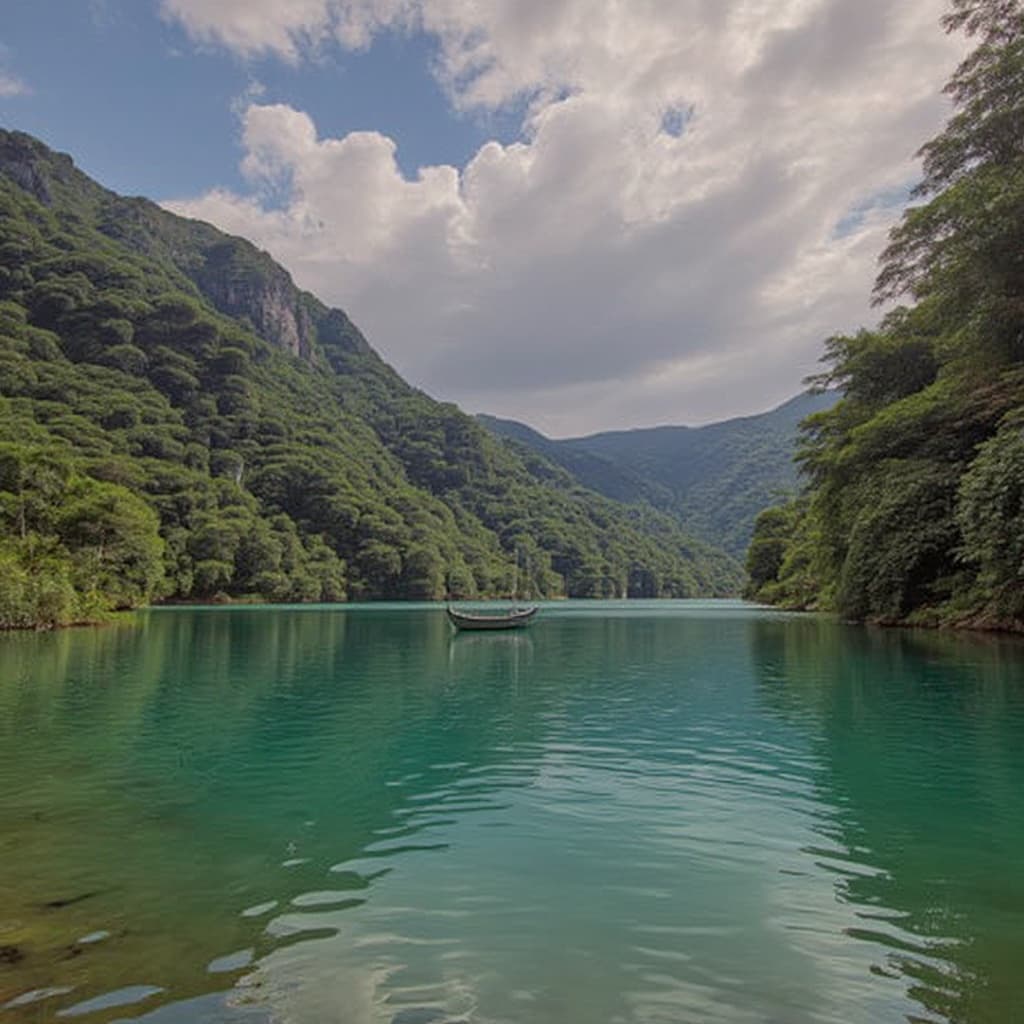
Hydroelectric dam on the Santiago River with spectacular canyons. Bass concentrate at creek inflows and rocky points.
Good
Sun 13 September
Best time: 07:36 AM - 09:36 AM
Factor Breakdown
Presión estable — buenas condiciones
Buena actividad solunar — 2 mayores, 2 menores
Luna Creciente
Viento calmo (4.8 km/h) — buscar áreas con corriente
Nublado (65%) — lobinas activas en superficie
Lluvia fuerte (8.9mm) — agua turbia, pesca difícil
24-Hour Forecast
Best Fishing Window
8:00 AM — 11:00 AM7.2/10
Tackle Recommendations
Based on current weather and time conditions
Buzzbait
Topwater
Surface lure with propeller blade that creates vibration and wake on the water.
Walking Bait (Zara Spook)
Topwater
Surface lure with 'walk the dog' zigzag action. Ideal in calm waters.
Colorado Blade Spinnerbait
Spinnerbait
Colorado blade spinnerbait for maximum vibration. Perfect in murky post-rain water.
Flipping Jig
Jig
Heavy jig for precise presentations in timber and thick vegetation.
Hollow Body Frog
Topwater
Frog lure for fishing over thick vegetation. Weedless and effective.
Senko / Stick Bait
Soft Plastic
Soft plastic stick bait with natural horizontal fall. Wacky or Texas rig.
Solunar Periods
Catch Reports
Best Time to Fish Today
Best time to fish: 8:00 AM–11:00 AM (Score 7.2)
Recommended Lures Today
- 1Buzzbait — Cloud cover 65% in ideal range. Wind 5 km/h favorable
- 2Walking Bait (Zara Spook) — Cloud cover 65% in ideal range. Wind 5 km/h favorable
- 3Colorado Blade Spinnerbait — Cloud cover 65% in ideal range. Wind 5 km/h favorable
About Aguamilpa
Aguamilpa is a hydroelectric dam built on the Santiago River in the state of Nayarit. Its name means 'place where water swirls' in the Huichol language, reflecting the dramatic canyon geography that surrounds it.
Spanning over 25,000 acres, the reservoir is nestled within deep canyons reaching 590 feet in height. Water ranges from clear to slightly stained, with temperatures between 68°F and 82°F.
Bass fishing at Aguamilpa centers on creek inflows and rocky points where the canyons narrow. These areas concentrate current and baitfish, attracting predatory bass.
Beyond bass, Aguamilpa offers catfish and tilapia fishing, and the spectacular scenery of the Nayarit Sierra makes the experience unforgettable.
Aguamilpa offers an experience that is distinctly different from the timber-dominated lakes of Sinaloa. Here, the fishing is defined by dramatic canyon topography and current-influenced bass behavior. The Huichol indigenous communities in the surrounding mountains add a rich cultural dimension to any visit. Aguamilpa also serves as an important ecological corridor between the Pacific lowlands and the Sierra Madre highlands.
While Aguamilpa does not produce the catch numbers of Comedero or the trophy sizes of El Salto, it rewards anglers with a challenging, scenic, and uncrowded fishing experience that many consider the most visually spectacular in Mexico.
Fishing Tips
- 1Focus on rocky points where canyons narrow — current and fish concentrate there.
- 2Rock-deflecting crankbaits are excellent for triggering reaction strikes.
- 3Fish creek inflows after light rains, when fresh water activates the fish.
- 4Focus on the downstream side of canyon narrows where current accelerates — baitfish get pushed through these funnels and bass stage to ambush them predictably.
- 5Carry a variety of jig weights (3/8, 1/2, 3/4 oz) — the varying canyon depths at Aguamilpa mean you need to adjust your sink rate constantly as you move between zones.
- 6The Santiago River inflow area is the single most important feature in the reservoir — always check it first, as it concentrates fish when current is flowing.
Seasonal Fishing Guide
November through January marks the beginning of Aguamilpa's prime season. As water temperatures cool from summer highs of 84°F to the 74-78°F range, bass begin their annual transition to accessible depths. The canyon mouths and rocky transitions between steep walls and flatter banks become the key areas. Crankbaits that deflect off rocks and spinnerbaits rolled along canyon edges produce consistent action.
February through April is the peak fishing window at Aguamilpa. Water temperatures hold in the ideal 70-76°F zone, driving pre-spawn and spawn activity. Bass concentrate at creek inflow points where nutrients and baitfish accumulate. The canyon narrows funnel current and create ambush points that are incredibly productive. This is when anglers can expect both numbers and quality, with multiple 4-5 pound bass possible each day.
May and June see the post-spawn transition. Bass scatter from spawning areas and become more scattered throughout the canyon system. Mornings remain productive with topwater presentations, but midday requires deeper approaches. Drop shots and Carolina rigs worked along the 15-25 foot contour produce scattered but quality catches.
July through October is challenging due to extreme heat, with water temperatures exceeding 82°F. Bass hold in the deepest, most shaded canyon sections. Heavy rains from Pacific hurricanes can dramatically alter lake levels and water clarity, occasionally creating windows of exceptional fishing as fresh water enters the system.
Fish Species Guide
Largemouth bass at Aguamilpa are canyon-adapted fish that display strong structural affinity. Average size runs 2-3 pounds, but the canyon topography concentrates bass near identifiable features, making them relatively easy to locate. Fish in the 4-6 pound range appear when conditions align with solunar peaks and seasonal migrations. Bass here favor rocky substrates and current-influenced areas, making them more responsive to reaction baits than bass at vegetation-oriented lakes.
Tilapia populations in Aguamilpa are substantial and well-established. The warmer canyon sections, particularly on the western sun-exposed walls, support the densest tilapia concentrations. These forage schools attract bass and create predictable feeding zones that experienced anglers can exploit day after day.
Catfish species include channel catfish and smaller populations of blue catfish. Channel cats averaging 3-7 pounds are commonly caught as bycatch on jigs and soft plastics worked along the bottom. The deep canyon pools hold larger specimens that are primarily targeted by local subsistence fishermen using trotlines and set lines.
How to Get There
Fly into Tepic (TPQ) or Guadalajara (GDL). From Tepic, the road access takes approximately 2 hours. Lodge infrastructure is more limited than in Sinaloa, but local operators offer guide and boat services.