Fishing Forecast: La Angostura
Chiapas · 500 masl
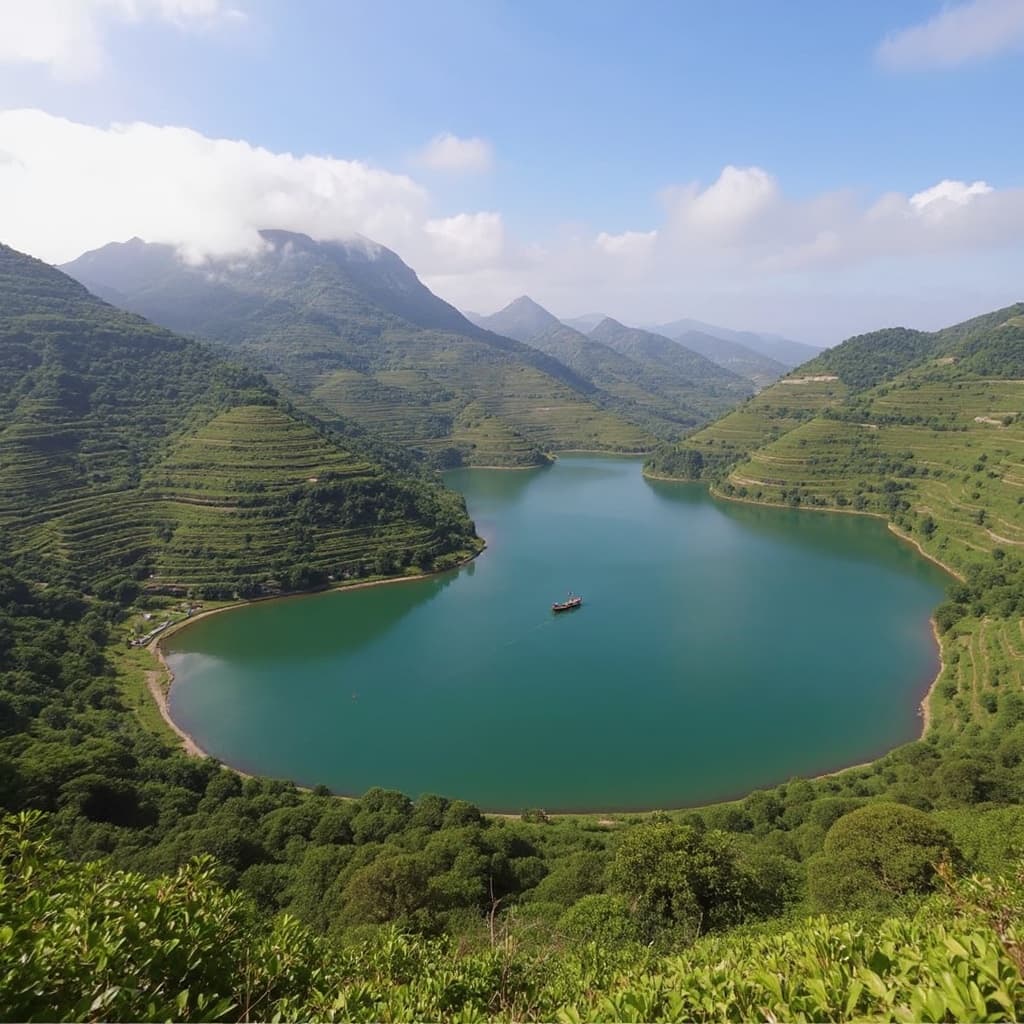
Dam on the upper Grijalva River with stunning mountain landscapes. Peaceful fishing with a good bass population in a unique natural setting.
Very Good
Sun 13 September
Best time: 06:47 AM - 08:47 AM
Factor Breakdown
Presión estable — buenas condiciones
Buena actividad solunar — 2 mayores, 2 menores
Luna Creciente
Brisa ligera (6.5 km/h) — ideal para lobina
Nublado (82%) — lobinas activas en superficie
Lluvia moderada (2.6mm) — buena actividad
24-Hour Forecast
Best Fishing Window
7:00 AM — 10:00 AM6.6/10
Tackle Recommendations
Based on current weather and time conditions
Buzzbait
Topwater
Surface lure with propeller blade that creates vibration and wake on the water.
Medium Crankbait (6-12ft)
Crankbait
Medium-diving crankbait, excellent near submerged timber.
White/Chartreuse Spinnerbait
Spinnerbait
Classic spinnerbait with Colorado/Willow blades. Excellent in stained water.
Colorado Blade Spinnerbait
Spinnerbait
Colorado blade spinnerbait for maximum vibration. Perfect in murky post-rain water.
Flipping Jig
Jig
Heavy jig for precise presentations in timber and thick vegetation.
Swim Jig
Jig
Jig designed to swim at mid-depth imitating a baitfish.
Solunar Periods
Catch Reports
Best Time to Fish Today
Best time to fish: 7:00 AM–10:00 AM (Score 6.6)
Recommended Lures Today
- 1Buzzbait — Cloud cover 82% in ideal range. Wind 7 km/h favorable
- 2Medium Crankbait (6-12ft) — Cloud cover 82% in ideal range. Wind 7 km/h favorable
- 3White/Chartreuse Spinnerbait — Cloud cover 82% in ideal range. Wind 7 km/h favorable
About La Angostura
La Angostura, officially Presa Belisario Domínguez, is the highest dam in the Grijalva system in Chiapas. Located at 1,640 feet above sea level in a valley surrounded by mountains, it offers a serene fishing experience amid spectacular scenery.
The reservoir's surface reaches 148,000 acres, making it one of the largest in southeastern Mexico. Waters are generally clear with a blue-green hue, and temperatures range from 68°F to 82°F.
La Angostura is less known than other Mexican reservoirs on the international circuit, which means less fishing pressure and a more peaceful experience. Bass are abundant and of good size, with fish in the 4-8 pound range being common.
The cultural setting is fascinating: indigenous Tzotzil and Tzeltal communities inhabit the shores, and the landscapes are reminiscent of mountain lakes in neighboring Guatemala.
La Angostura is Mexico's hidden gem for anglers seeking pristine, uncrowded fishing in a culturally rich setting. The Tzotzil and Tzeltal indigenous communities that dot the shoreline live largely traditional lifestyles, and visiting their markets and tasting their cuisine adds a dimension to the fishing trip that no lodge-based destination can offer.
As one of the largest reservoirs in southeastern Mexico by surface area, La Angostura has the capacity to support a world-class fishery. Its relative obscurity in the international fishing community represents a significant opportunity for early adopters willing to invest in the exploration.
Fishing Tips
- 1Fish the wind-protected bays where bass feed in shallow vegetation.
- 2Natural-colored crankbaits work well in La Angostura's clear water.
- 3Explore the secondary arms of the reservoir — they usually have less fishing pressure.
- 4La Angostura rewards exploration — the most productive fishing is often found in remote arms that take 30-45 minutes of boat travel to reach, where bass have rarely seen a lure.
- 5Respect the indigenous communities along the shoreline — ask before landing on their beaches and consider purchasing local handicrafts as a gesture of goodwill.
- 6Wind can be a significant factor on La Angostura's open water — check the forecast and plan to fish protected bays on windy days.
Seasonal Fishing Guide
November through March is La Angostura's prime season. The mountain setting provides a pleasant climate with water temperatures in the comfortable 70-78°F range during these months. Bass are active and accessible on a variety of structure types throughout the reservoir's massive surface area. The lack of fishing pressure means bass are less wary and more willing to strike than at heavily fished lakes.
The dry season (November-April) also brings the best water clarity and most stable lake levels. The reservoir's extreme size means anglers can explore different arms and bays for days without repeating a stretch of water.
April and May see bass spawning activity in the protected bays and coves along the western shore. The spawn is less concentrated than at smaller lakes due to the vast amount of suitable habitat.
June through October is the rainy season in Chiapas. Afternoon thunderstorms are common, but morning fishing remains excellent. The rising water levels flood new vegetation along the shoreline, creating fresh habitat that bass colonize quickly. This can produce some of the year's most exciting fishing as bass move into previously dry areas.
Fish Species Guide
Largemouth bass at La Angostura average 2-4 pounds, with the potential for 6-8 pound fish in the more remote, less-fished arms of the reservoir. The bass population benefits from the lake's enormous size and relatively light fishing pressure. Fish relate to a variety of structure including rocky points, submerged vegetation, fallen timber, and gravel transitions. Standard bass presentations all work well — the key is covering water to locate concentrations in this vast fishery.
Sunfish species (Lepomis spp.) are abundant and provide critical forage for bass. They also offer excellent light-tackle sport for anglers seeking a relaxed fishing experience. Simple bobber-and-worm setups produce consistent sunfish catches along the shoreline.
Tilapia populations support both the bass food chain and local subsistence fishing. The indigenous communities along the lakeshore depend on tilapia as a primary protein source, and their traditional canoe-based fishing methods have been practiced here for generations.
How to Get There
From Tuxtla Gutiérrez (TGZ), take the highway toward Comitán de Domínguez (2 hours). The reservoir lies between the communities of Venustiano Carranza and La Concordia. Basic lodging available in these towns.