Fishing Forecast: Cerro de Oro
Oaxaca · 80 masl
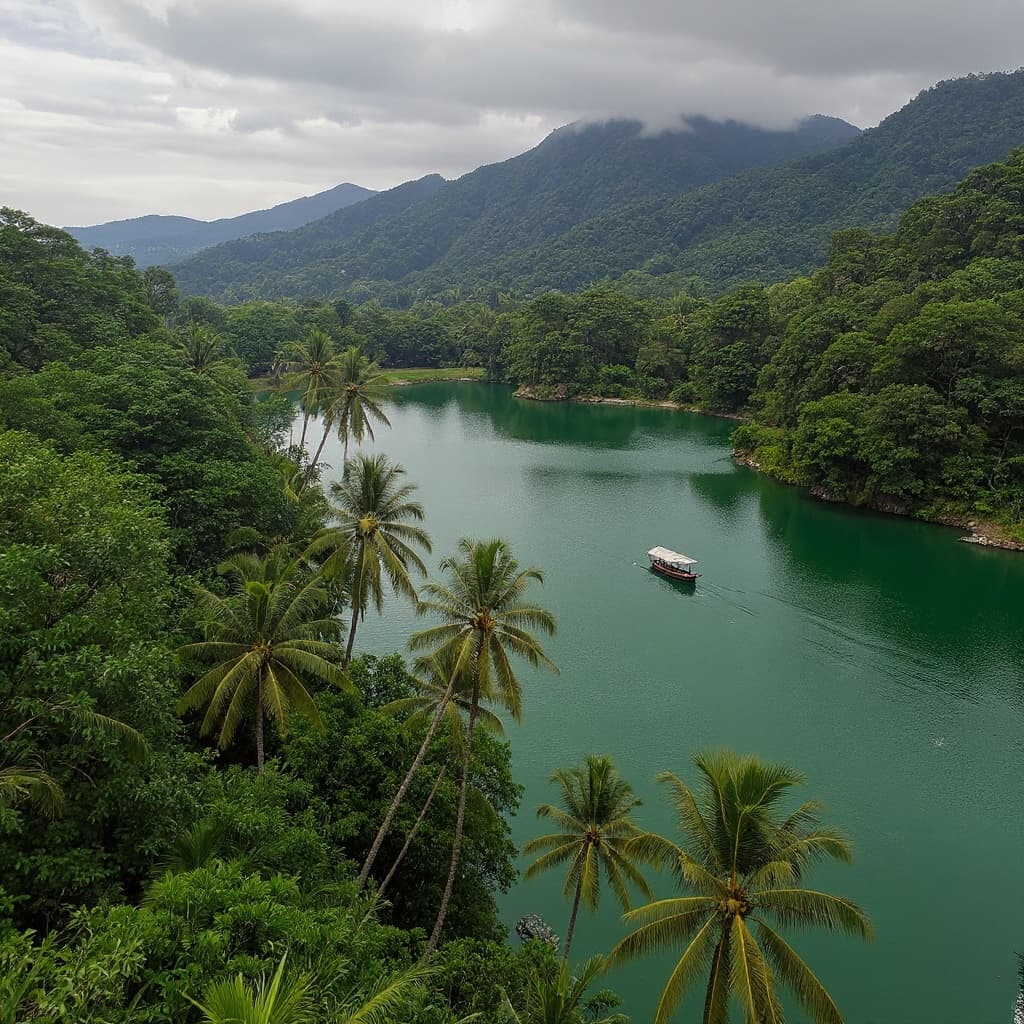
Tropical reservoir in the Papaloapan basin with lush vegetation. Year-round warm water favors constant bass activity.
Good
Sun 13 September
Best time: 07:22 PM - 09:22 PM
Factor Breakdown
Presión estable — buenas condiciones
Actividad solunar baja — 1 mayores, 2 menores
Luna Creciente
Brisa ligera (6.4 km/h) — ideal para lobina
Nublado (72%) — lobinas activas en superficie
Lluvia muy fuerte (36.6mm) — no recomendado
24-Hour Forecast
Best Fishing Window
7:00 PM — 10:00 PM6.2/10
Tackle Recommendations
Based on current weather and time conditions
Buzzbait
Topwater
Surface lure with propeller blade that creates vibration and wake on the water.
Walking Bait (Zara Spook)
Topwater
Surface lure with 'walk the dog' zigzag action. Ideal in calm waters.
Medium Crankbait (6-12ft)
Crankbait
Medium-diving crankbait, excellent near submerged timber.
Flipping Jig
Jig
Heavy jig for precise presentations in timber and thick vegetation.
Swim Jig
Jig
Jig designed to swim at mid-depth imitating a baitfish.
Small Swimbait (3-4in)
Swimbait
Compact swimbait for average-size bass. Good search bait.
Solunar Periods
Catch Reports
Best Time to Fish Today
Best time to fish: 7:00 PM–10:00 PM (Score 6.2)
Recommended Lures Today
- 1Buzzbait — Cloud cover 72% in ideal range. Wind 6 km/h favorable
- 2Walking Bait (Zara Spook) — Cloud cover 72% in ideal range. Wind 6 km/h favorable
- 3Medium Crankbait (6-12ft) — Cloud cover 72% in ideal range. Wind 6 km/h favorable
About Cerro de Oro
Cerro de Oro, officially Presa Miguel de la Madrid, sits in the tropical Papaloapan basin region of Oaxaca. At just 260 feet above sea level, it is one of Mexico's warmest reservoirs, allowing year-round fishing activity.
The lush vegetation surrounding the dam is typical of the humid tropical forest. The water surface is frequently covered with lily pads and aquatic vegetation, creating perfect habitat for largemouth bass.
A unique feature of Cerro de Oro is the presence of snook, a species that normally inhabits saltwater but has adapted to the reservoir's freshwater. This gives anglers the opportunity to catch two premium species in the same body of water.
Water temperatures rarely drop below 75°F, keeping fish constantly active. The rainy season (June-October) can make access difficult, but fishing remains productive.
Cerro de Oro offers a fishing experience found nowhere else in Mexico: the chance to catch both largemouth bass and freshwater snook in the same body of water. This dual-species opportunity attracts adventurous anglers seeking something beyond the standard Mexican bass trip. The tropical lowland setting adds an element of exploration, with exotic birds, iguanas, and lush jungle forming the backdrop.
The indigenous Chinantec communities around the reservoir maintain traditional fishing practices alongside modern sport fishing. Visitors who respect local customs and engage with the community often gain access to the most productive fishing areas through local guides.
Fishing Tips
- 1Weedless lures are essential at Cerro de Oro due to the dense aquatic vegetation.
- 2Topwater frogs are devastating over lily pad beds at dawn.
- 3For snook, use small fish-imitating lures near river and creek inflows.
- 4A weedless frog rod is your #1 tool at Cerro de Oro — a heavy action 7'3" rod with 50 lb braid can pull bass out of the thickest vegetation.
- 5Hire a local pangero (boat operator) who navigates the vegetation channels daily — the maze of lily pads and floating islands is impossible to navigate without local knowledge.
- 6Apply insect repellent liberally — the tropical lowland environment means mosquitos are aggressive year-round, especially at dawn and dusk.
Seasonal Fishing Guide
November through March is the best period at this tropical lowland reservoir. Water temperatures moderate from summer highs of 88°F into the 78-84°F range — still warm by northern standards but optimal for Cerro de Oro's tropical fish community. Bass and snook become increasingly active as slight cooling triggers feeding responses. Topwater frogs over lily pads at dawn produce explosive strikes during these months.
The dry season (November-April) also brings improved water clarity and more predictable conditions. Access roads are passable and water levels stabilize, making boat navigation safer through the maze of vegetation.
April and May see the transition to the rainy season. Bass complete their spawning cycle, and post-spawn fish feed heavily around vegetation edges. Weedless soft plastics and buzzbaits are the most effective presentations.
June through October is the rainy season. Heavy tropical downpours can make access difficult and dramatically alter water levels. However, the fishing can be excellent when conditions allow access — fresh water inflows activate the entire food chain, and bass feed aggressively in the turbid, nutrient-rich conditions. Rain breaks between storms provide the best windows.
Fish Species Guide
Largemouth bass at Cerro de Oro thrive in the tropical vegetation maze, reaching 2-5 pounds with exceptional body condition fueled by year-round warm water and abundant forage. The bass are masters of ambush, tucking into pockets within the lily pads and hydrilla to strike passing prey. Weedless presentations are absolutely essential — Texas-rigged frogs, soft plastics, and topwater frogs are the foundations of Cerro de Oro bass fishing.
Freshwater snook (Centropomus spp.) are Cerro de Oro's special attraction. These silver, torpedo-shaped predators typically weigh 3-8 pounds and deliver a fight that far exceeds their size. They are most commonly found near river and creek inflows where current exists. Jerkbaits, rapalas, and live bait (mojarra or shad) produce the most snook catches. The snook population is a remnant of the species' historical range in the Papaloapan basin before the dam altered the river system.
Tilapia are omnipresent and form the bulk of the bass diet. Large schools of juveniles swarm every habitat type, and their year-round spawning provides constant forage. Adult tilapia are also targeted by local subsistence fishermen using gillnets and hook-and-line from canoes.
How to Get There
Fly into Oaxaca (OAX) or Veracruz (VER). Road access from Oaxaca takes 3-4 hours via the highway to Tuxtepec. The town of San Lucas Ojitlán is the nearest base, with basic lodging.