Fishing Forecast: Malpaso
Chiapas · 180 masl
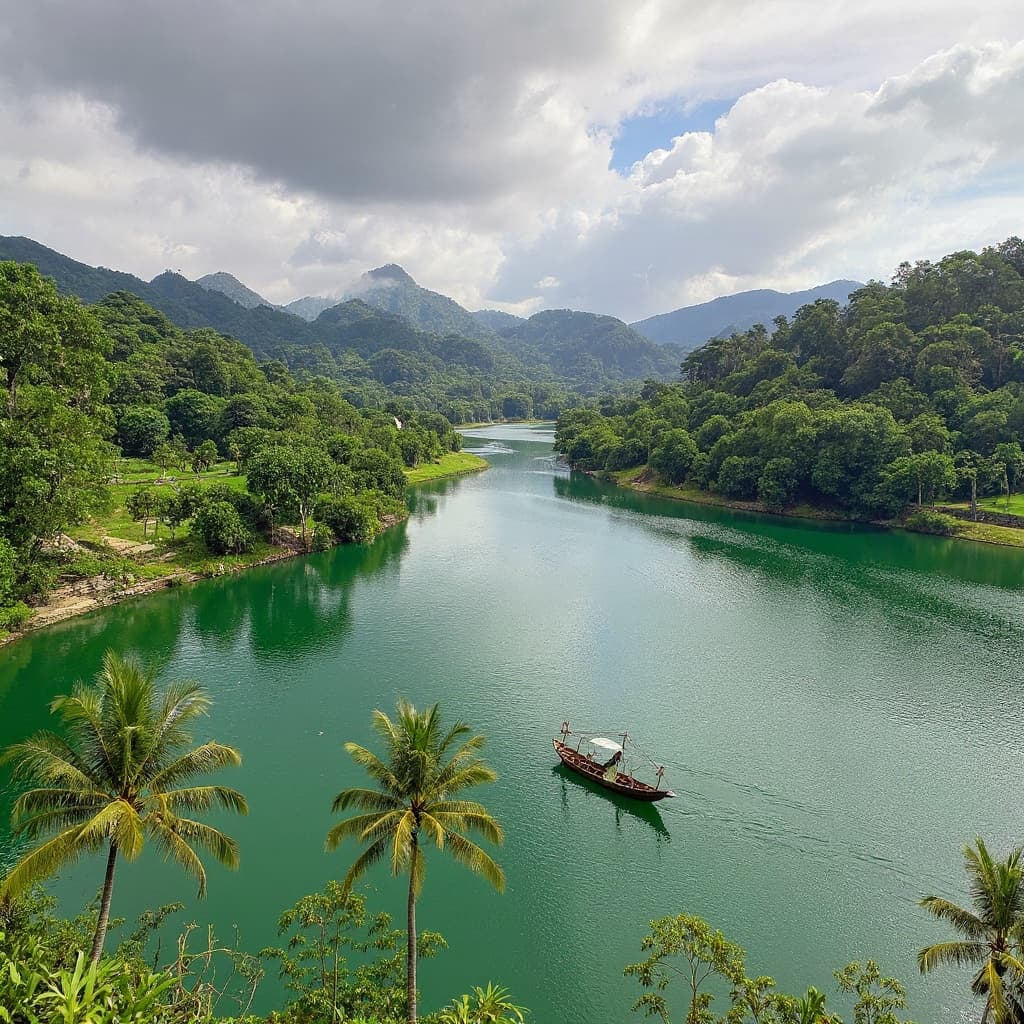
Large hydroelectric dam in Chiapas with exceptional aquatic biodiversity. Unique combination of tropical species and largemouth bass.
Very Good
Sun 13 September
Best time: 06:50 AM - 08:50 AM
Factor Breakdown
Presión estable — buenas condiciones
Buena actividad solunar — 2 mayores, 2 menores
Luna Creciente
Brisa ligera (6.8 km/h) — ideal para lobina
Nublado (90%) — lobinas activas en superficie
Lluvia fuerte (9.5mm) — agua turbia, pesca difícil
24-Hour Forecast
Best Fishing Window
7:00 AM — 10:00 AM7.2/10
Tackle Recommendations
Based on current weather and time conditions
Buzzbait
Topwater
Surface lure with propeller blade that creates vibration and wake on the water.
Medium Crankbait (6-12ft)
Crankbait
Medium-diving crankbait, excellent near submerged timber.
Colorado Blade Spinnerbait
Spinnerbait
Colorado blade spinnerbait for maximum vibration. Perfect in murky post-rain water.
Flipping Jig
Jig
Heavy jig for precise presentations in timber and thick vegetation.
Swim Jig
Jig
Jig designed to swim at mid-depth imitating a baitfish.
Small Swimbait (3-4in)
Swimbait
Compact swimbait for average-size bass. Good search bait.
Solunar Periods
Catch Reports
Best Time to Fish Today
Best time to fish: 7:00 AM–10:00 AM (Score 7.2)
Recommended Lures Today
- 1Buzzbait — Cloud cover 90% in ideal range. Wind 7 km/h favorable
- 2Medium Crankbait (6-12ft) — Cloud cover 90% in ideal range. Wind 7 km/h favorable
- 3Colorado Blade Spinnerbait — Cloud cover 90% in ideal range. Wind 7 km/h favorable
About Malpaso
Malpaso, officially Presa Nezahualcóyotl, is one of Mexico's main hydroelectric dams, located on the Grijalva River in northwestern Chiapas. It was one of the first major dams in the Grijalva system, completed in 1966.
With over 86,000 acres of surface area, Malpaso offers exceptional aquatic biodiversity that few water bodies in Mexico can match. In addition to largemouth bass, you can find freshwater snook, gar (a prehistoric species), and multiple species of sunfish.
The tropical waters maintain warm temperatures between 75°F and 86°F year-round. Lush riparian vegetation and numerous tributary creeks create a rich and diverse ecosystem.
The gar, a species that has survived since the age of dinosaurs, is a special attraction for anglers seeking something different. These fish can exceed 5 feet in length.
Malpaso is Mexico's ultimate multi-species freshwater destination. No other reservoir in the country offers the chance to catch largemouth bass, freshwater snook, and prehistoric gar all in the same day. This extraordinary biodiversity reflects the ecological richness of the Grijalva River basin and the tropical conditions that support such diverse species.
The gar population at Malpaso is of particular scientific interest, as the tropical gar (Atractosteus tropicus) is listed as threatened in Mexico. Conservation-minded anglers practice catch-and-release with gar, helping to protect this living fossil for future generations.
Fishing Tips
- 1For gar, use topwater lures with rope hooks — their bony mouths make hook-sets difficult.
- 2Bass concentrate in submerged vegetation zones and creek inflow points.
- 3For freshwater snook, fish with rapala and jerkbaits near rock structures.
- 4Malpaso's biodiversity means every cast could bring a different species.
- 5Carry a steel leader (20-30 lb) when targeting gar — their tooth-filled jaws will cut through monofilament and fluorocarbon instantly.
- 6Multi-species tackle: pack a medium-heavy rod for bass, a medium rod with fast tip for snook, and a heavy rod with rope lures for gar — covering all three maximizes your experience.
- 7The Malpaso area has limited cell service — bring offline maps and let someone know your return schedule before heading to remote areas of the reservoir.
Seasonal Fishing Guide
November through April is Malpaso's extended prime season, benefiting from the tropical climate of Chiapas. Water temperatures hold in the ideal 76-82°F range throughout this period, keeping all species active. The dry season brings stable conditions and improved water clarity, particularly in the upper arms of the reservoir. Multi-species days are the norm — it is possible to catch bass, snook, gar, and tilapia all in a single outing.
January through March provides peak bass fishing as pre-spawn behavior drives fish to accessible structure. Simultaneously, gar become increasingly active in the warming shallows, offering anglers a unique prehistoric predator experience. Topwater lures with wire leaders handle both bass and gar effectively.
May and June mark the transition to the rainy season. Heavy afternoon thunderstorms become daily occurrences, but mornings often remain clear and productive. The increased water flow activates snook near the tributary inflows.
July through October is the full rainy season. While fishing remains possible, access can be challenging after heavy rains. The compensating factor is that both snook and gar are at their most active during the warm, high-water period. Anglers seeking these specialty species should target this window despite the weather challenges.
Fish Species Guide
Largemouth bass at Malpaso share the water with an unusual roster of tropical species. Average bass run 2-4 pounds and respond to standard presentations fished around submerged vegetation and woody structure. The warm tropical water keeps bass active year-round, though their behavior patterns differ from typical North American lakes due to the constant warmth.
Freshwater snook (Centropomus spp.) are aggressive predators that inhabit the river inflows and current-influenced areas of the reservoir. Typical catches weigh 3-8 pounds. They are best targeted with diving rapalas, jerkbaits, and live bait fished in moving water. The snook provide extraordinary fight quality — explosive strikes and acrobatic jumps that rival their saltwater cousins.
Gar (Atractosteus tropicus) — the tropical gar or 'pejelagarto' — is a genuine prehistoric survivor with a lineage dating back 100 million years. These armored predators reach 3-5 feet in length and up to 30 pounds. Their bony mouths make traditional hook-sets nearly impossible; instead, anglers use rope lures that tangle in the gar's teeth. Catching a gar at Malpaso is a bucket-list experience for many visiting anglers.
Tilapia are the most abundant species and support both the sport fish food chain and a significant commercial harvest. Multiple tilapia species coexist in these warm, productive waters.
How to Get There
Fly into Villahermosa (VSA) or Tuxtla Gutiérrez (TGZ). From Villahermosa, access takes approximately 3 hours by road. The town of Raudales Malpaso serves as the logistical base. Tourist services are basic but functional.