Fishing Forecast: El Palmito
Durango · 1600 masl
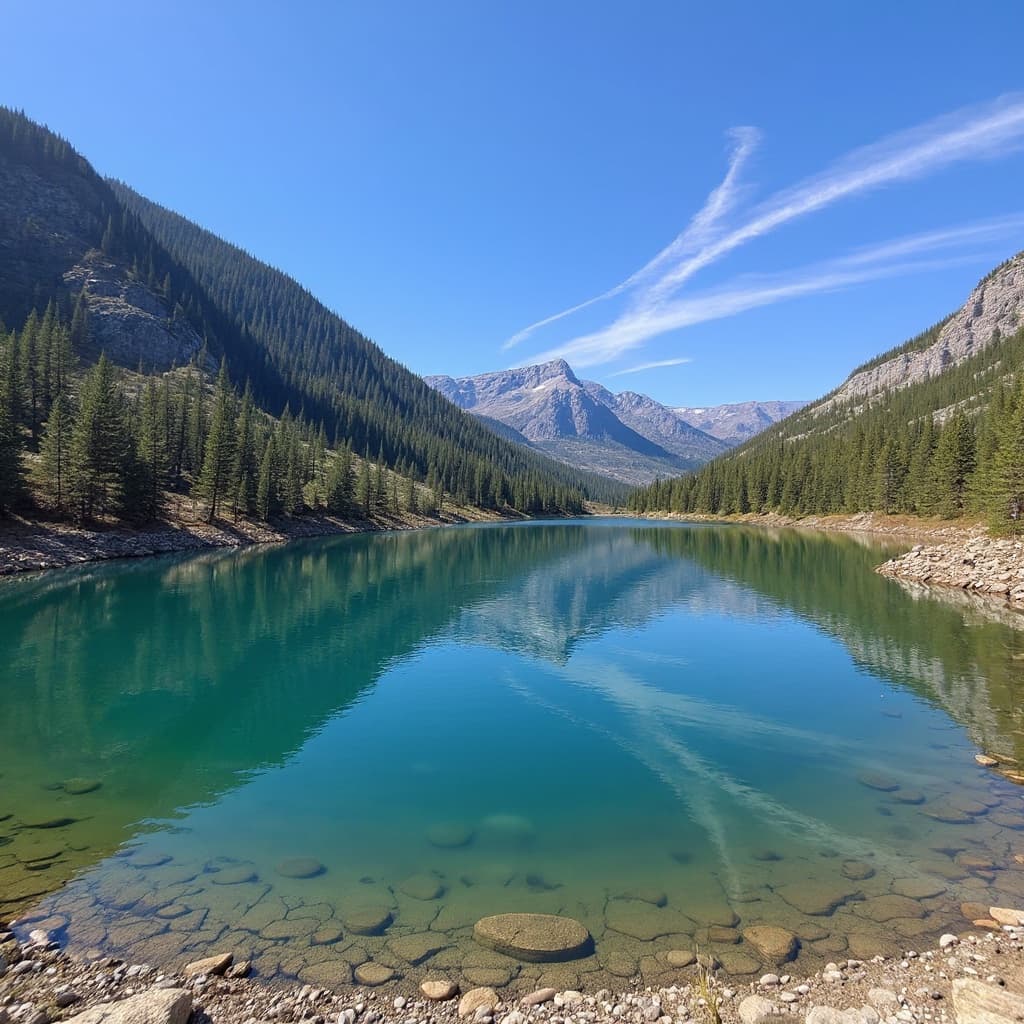
High-mountain reservoir in Durango's Sierra Madre Occidental. Bass adapted to cold water with a concentrated season in spring and fall.
Good
Sun 13 September
Best time: 07:39 AM - 09:39 AM
Factor Breakdown
Presión estable — buenas condiciones
Buena actividad solunar — 2 mayores, 2 menores
Luna Creciente
Brisa ligera (7.3 km/h) — ideal para lobina
Poco nublado (32%) — lobinas en estructura
Sin lluvia — condiciones normales
24-Hour Forecast
Best Fishing Window
8:00 AM — 11:00 AM6.8/10
Tackle Recommendations
Based on current weather and time conditions
Walking Bait (Zara Spook)
Topwater
Surface lure with 'walk the dog' zigzag action. Ideal in calm waters.
Medium Crankbait (6-12ft)
Crankbait
Medium-diving crankbait, excellent near submerged timber.
Flipping Jig
Jig
Heavy jig for precise presentations in timber and thick vegetation.
Small Swimbait (3-4in)
Swimbait
Compact swimbait for average-size bass. Good search bait.
Paddle Tail Swimbait
Soft Plastic
Soft bait with paddle tail. Versatile on weighted hook or jighead.
Hollow Body Frog
Topwater
Frog lure for fishing over thick vegetation. Weedless and effective.
Solunar Periods
Catch Reports
Best Time to Fish Today
Best time to fish: 8:00 AM–11:00 AM (Score 6.8)
Recommended Lures Today
- 1Walking Bait (Zara Spook) — Cloud cover 32% in ideal range. Wind 7 km/h favorable
- 2Medium Crankbait (6-12ft) — Cloud cover 32% in ideal range. Wind 7 km/h favorable
- 3Flipping Jig — Cloud cover 32% in ideal range. Wind 7 km/h favorable
About El Palmito
El Palmito, officially Presa Lázaro Cárdenas, is one of Mexico's highest bass fishing reservoirs at 5,250 feet above sea level in Durango's Sierra Madre Occidental. This altitude gives it unique characteristics among Mexican bass lakes.
Waters are cool year-round, with temperatures dropping to 50°F in winter and reaching 72°F in summer. This makes the fishing season more concentrated than at tropical reservoirs, with the best months in spring (March-May) and fall (October-November).
The Sierra Madre landscape with pine and oak forests surrounds the reservoir, creating an environment completely different from lowland dams. The mountain vegetation and cool water produce bass with more intense coloring and a stronger fight.
The reservoir is also an important birdwatching area, with ospreys, herons, and multiple migratory species visiting during the fall.
El Palmito offers a mountain bass fishing experience unique in Mexico. While most Mexican bass lakes are defined by tropical heat and tilapia forage, El Palmito delivers cold-water fishing with crayfish-based patterns and pine-forested shorelines. Anglers accustomed to North American reservoir fishing will feel right at home with the techniques and patterns.
The Sierra Madre drive to El Palmito is an adventure in itself — winding mountain roads pass through stunning pine-oak forests, Mennonite farming communities, and traditional Duranguense ranchlands. The journey is part of the experience.
Fishing Tips
- 1Slow, natural presentations work best in El Palmito's cool water.
- 2Use dark-colored lures (black, purple, pumpkin) that contrast with the clear water.
- 3Mornings can be very cold — dress in layers and start fishing after the sun warms the water.
- 4Pack cold-weather gear even during spring trips — mountain mornings at 5,250 feet can start below 40°F, and the temperature swing to afternoon can exceed 40 degrees.
- 5Crayfish-pattern lures (brown, orange, green pumpkin) outperform baitfish patterns at El Palmito — the bass here are primarily crayfish feeders unlike at tropical lakes.
- 6The pine-forest setting means fallen timber is common along the shoreline — these wood-to-rock transitions are the highest-percentage spots on the entire lake.
Seasonal Fishing Guide
March through May is El Palmito's compressed prime season. At 5,250 feet elevation, spring arrives later than at lowland lakes. Water temperatures climb from frigid winter lows of 50°F into the 60-68°F range that activates cold-water bass. The pre-spawn period is brief but intense — bass that have been dormant through the mountain winter feed aggressively for 6-8 weeks. Slow-rolled jigs, blade baits, and small swimbaits are the primary tools.
October and November provide a short fall window as temperatures drop back through the productive zone. Bass feed heavily before winter sets in, and the fall colors of the pine-oak forest create spectacular scenery. Lipless crankbaits and spinnerbaits are effective during the fall feeding period.
June through September sees the mountain summer with warm days but cool nights. Water temperatures reach their annual peak of 68-72°F. Bass are active but spread throughout the reservoir. This is actually the longest continuous fishing window at El Palmito, as the modest summer temperatures don't create the extreme heat stress seen at lowland lakes.
December through February is the dormant season. Water temperatures drop below 54°F, and bass metabolism slows dramatically. Only the most dedicated anglers attempt winter fishing, using extremely slow presentations in the deepest, warmest areas of the reservoir.
Fish Species Guide
Largemouth bass at El Palmito are mountain-adapted fish that display darker, more vivid coloring than their lowland counterparts. Average size is 1.5-3 pounds, with occasional fish to 5 pounds for anglers who target deep structure during the brief prime windows. The cold water produces denser, harder-fighting bass pound-for-pound. They feed primarily on crayfish, aquatic insects, and small baitfish rather than tilapia, giving them a diet profile more similar to North American mountain bass.
Catfish are present in lower numbers than at warmer reservoirs but can reach good sizes of 4-10 pounds. Channel catfish inhabit the deeper pools and respond to nightcrawlers and cut bait fished on the bottom. Local anglers often target catfish during the warmer months when they are most active.
Carp round out the species list, reaching 5-15 pounds in El Palmito's cold, oxygen-rich waters. The clear mountain water allows sight-fishing for carp on shallow flats during spring — a technique more commonly associated with tropical flats fishing but surprisingly effective here.
How to Get There
From Durango city, take Highway 40 toward Mazatlán and turn off toward El Palmito (2-3 hours on mountain roads). The El Palmito community offers lodging and basic services.