Fishing Forecast: Peñitas
Chiapas · 80 masl
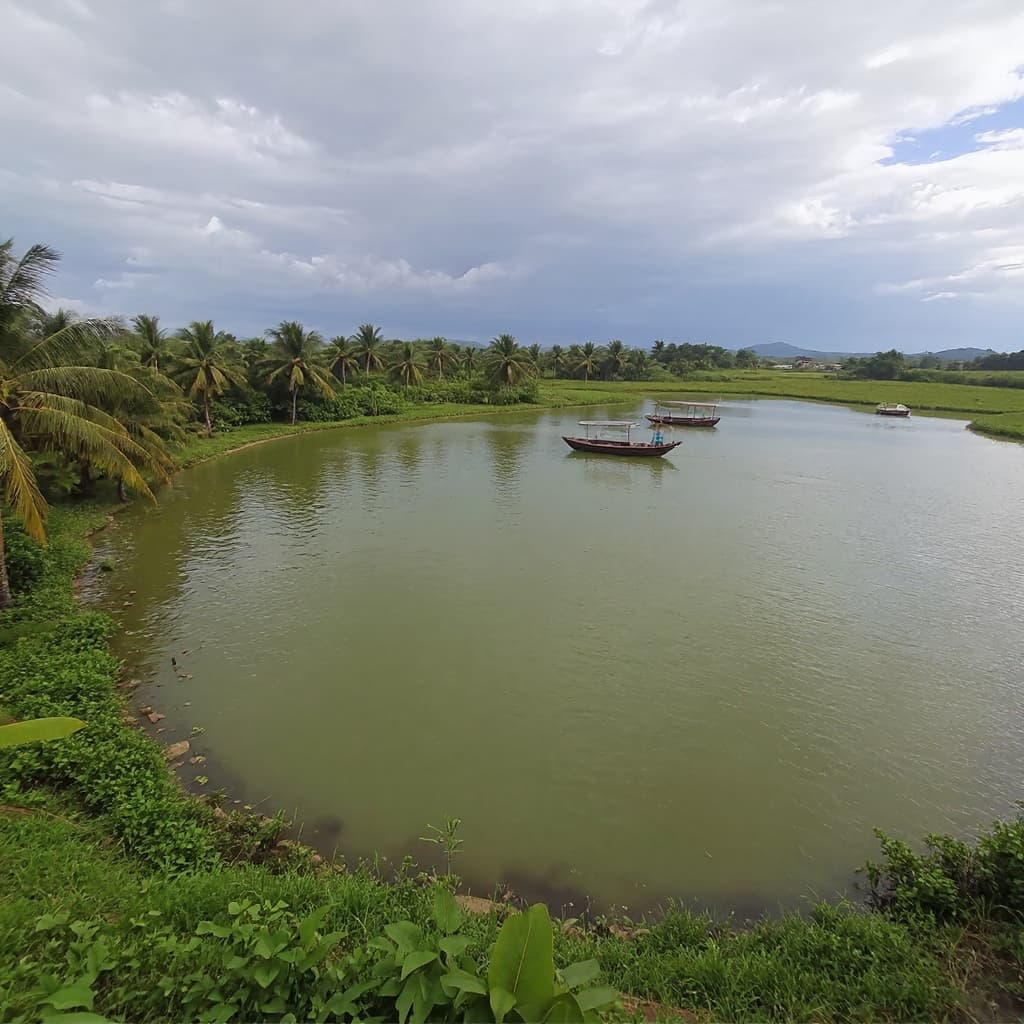
The lowest dam in the Grijalva system in Chiapas. Tropical waters with a good bass population and native species.
Excellent
Fri 11 September
Best time: 05:21 AM - 07:21 AM
Factor Breakdown
Presión estable — buenas condiciones
Actividad solunar excepcional — 2 periodos mayores, 2 menores
Luna Nueva
Brisa ligera (7.1 km/h) — ideal para lobina
Nublado (85%) — lobinas activas en superficie
Lluvia moderada (2.6mm) — buena actividad
24-Hour Forecast
Best Fishing Window
5:00 AM — 8:00 AM8.5/10
Tackle Recommendations
Based on current weather and time conditions
Buzzbait
Topwater
Surface lure with propeller blade that creates vibration and wake on the water.
Medium Crankbait (6-12ft)
Crankbait
Medium-diving crankbait, excellent near submerged timber.
White/Chartreuse Spinnerbait
Spinnerbait
Classic spinnerbait with Colorado/Willow blades. Excellent in stained water.
Colorado Blade Spinnerbait
Spinnerbait
Colorado blade spinnerbait for maximum vibration. Perfect in murky post-rain water.
Flipping Jig
Jig
Heavy jig for precise presentations in timber and thick vegetation.
Swim Jig
Jig
Jig designed to swim at mid-depth imitating a baitfish.
Solunar Periods
Catch Reports
Best Time to Fish Today
Best time to fish: 5:00 AM–8:00 AM (Score 8.5)
Recommended Lures Today
- 1Buzzbait — Cloud cover 85% in ideal range. Wind 7 km/h favorable
- 2Medium Crankbait (6-12ft) — Cloud cover 85% in ideal range. Wind 7 km/h favorable
- 3White/Chartreuse Spinnerbait — Cloud cover 85% in ideal range. Wind 7 km/h favorable
About Peñitas
Peñitas, officially Presa Ángel Albino Corzo, is the newest and lowest dam in the Grijalva River hydroelectric system in Chiapas. Completed in 1987, it sits at just 260 feet above sea level on the Chiapas coastal plain.
Peñitas' tropical waters maintain high temperatures year-round, between 77°F and 90°F. The lush riparian vegetation includes mangroves and low tropical forest, creating a rich and diverse aquatic ecosystem.
In addition to largemouth bass, Peñitas hosts freshwater snook and a variety of sunfish and tilapia. The mix of tropical species and bass makes every fishing day unpredictable and exciting.
The reservoir is relatively close to Villahermosa, the capital of Tabasco state, which simplifies access and logistics. Tourist infrastructure is basic but sufficient for an authentic fishing experience.
Peñitas offers the quintessential tropical lowland fishing experience in Chiapas. The combination of dense floating vegetation, warm water, and dual bass-and-snook species creates a fishing dynamic found at very few places in Mexico. The topwater frog bite over lily pads is among the most exciting and visually spectacular fishing experiences available anywhere.
The reservoir's proximity to Villahermosa means accessing Peñitas is straightforward compared to more remote Chiapas destinations. The developing tourism infrastructure provides basic but comfortable services for visiting anglers.
Fishing Tips
- 1Topwater frogs and buzzbaits are deadly over Peñitas' floating vegetation.
- 2For snook, fish with jerkbaits and poppers where the river current enters the reservoir.
- 3High water temperatures make bass more active at dawn and dusk.
- 4A hollow-body frog in dark green or black is the must-have lure at Peñitas — fish it slowly over the floating vegetation, letting it sit in openings for 3-5 seconds between twitches.
- 5For snook, use a strong hookset on a medium-heavy rod — their hard, bony mouths require more force than bass to achieve a solid connection.
- 6Heat and humidity are intense year-round at this lowland tropical reservoir — bring moisture-wicking clothing and stay in shaded areas during mid-day breaks.
Seasonal Fishing Guide
November through April is Peñitas' extended prime season, enjoying the tropical Chiapas lowland climate. Water temperatures hold in the warm 78-86°F range, keeping all species active year-round with peak activity during the slightly cooler dry season months. Bass and snook are most accessible during this window, with the best fishing at dawn and dusk when surface temperatures moderate slightly.
The morning topwater bite is Peñitas' signature — floating vegetation and lily pads cover much of the surface, and bass explode through this canopy to attack frogs and buzzbaits. This visual, heart-stopping fishing style is consistent from November through March.
May and June mark the transition to the rainy season. Afternoon downpours increase in frequency, but mornings remain clear and productive. Rising water levels flood new shoreline vegetation, creating fresh habitat that bass and snook colonize.
July through October is the full rainy season. Heavy Chiapas rainfall can make access challenging, and the Grijalva River inflows stain the water significantly. However, snook become most active during the high-water period, concentrated at the river mouth and major creek inflows where current is strongest.
Fish Species Guide
Largemouth bass at Peñitas thrive in the tropical vegetation cover that defines this lowland reservoir. Average size is 2-4 pounds, with the dense forage base supporting excellent body condition. Bass here are surface-oriented predators — their primary feeding strategy involves ambushing prey from below the floating vegetation canopy. This makes topwater fishing exceptionally productive and creates some of the most visually dramatic strikes in Mexican bass fishing.
Freshwater snook at Peñitas benefit from the reservoir's position as the lowest dam in the Grijalva system, closest to the species' historical coastal habitat. Snook here average 3-6 pounds and are targeted around current-influenced areas near the river mouth and major inflows. Jerkbaits and live bait (small tilapia or mojarra) produce the best results.
Tilapia are the dominant forage species and support both the bass and snook populations. Commercial tilapia fishing is practiced by local communities, who use canoes and traditional net techniques that have been adapted over generations.
How to Get There
From Villahermosa (VSA), the dam is approximately 2.5 hours south by road via Huimanguillo. From Tuxtla Gutiérrez (TGZ), access takes 3-4 hours. Basic lodging in nearby communities like Raudales Malpaso.