Fishing Forecast: Zimapán
Hidalgo · 1500 masl
High-altitude reservoir in the Moctezuma River canyon. Cold, deep water with bass that respond well to deepwater techniques.
Very Good
Sun 13 September
Best time: 07:14 AM - 09:14 AM
Factor Breakdown
Presión estable — buenas condiciones
Buena actividad solunar — 2 mayores, 2 menores
Luna Creciente
Brisa ligera (6.8 km/h) — ideal para lobina
Nublado (83%) — lobinas activas en superficie
Lluvia ligera (1.5mm) — excelente para activar lobinas
24-Hour Forecast
Best Fishing Window
8:00 PM — 11:00 PM6.4/10
Tackle Recommendations
Based on current weather and time conditions
Buzzbait
Topwater
Surface lure with propeller blade that creates vibration and wake on the water.
Medium Crankbait (6-12ft)
Crankbait
Medium-diving crankbait, excellent near submerged timber.
White/Chartreuse Spinnerbait
Spinnerbait
Classic spinnerbait with Colorado/Willow blades. Excellent in stained water.
Flipping Jig
Jig
Heavy jig for precise presentations in timber and thick vegetation.
Swim Jig
Jig
Jig designed to swim at mid-depth imitating a baitfish.
Small Swimbait (3-4in)
Swimbait
Compact swimbait for average-size bass. Good search bait.
Solunar Periods
Catch Reports
Best Time to Fish Today
Best time to fish: 7:00 AM–10:00 AM (Score 6.4)
Recommended Lures Today
- 1Buzzbait — Cloud cover 83% in ideal range. Wind 7 km/h favorable
- 2Medium Crankbait (6-12ft) — Cloud cover 83% in ideal range. Wind 7 km/h favorable
- 3White/Chartreuse Spinnerbait — Cloud cover 83% in ideal range. Wind 7 km/h favorable
About Zimapán
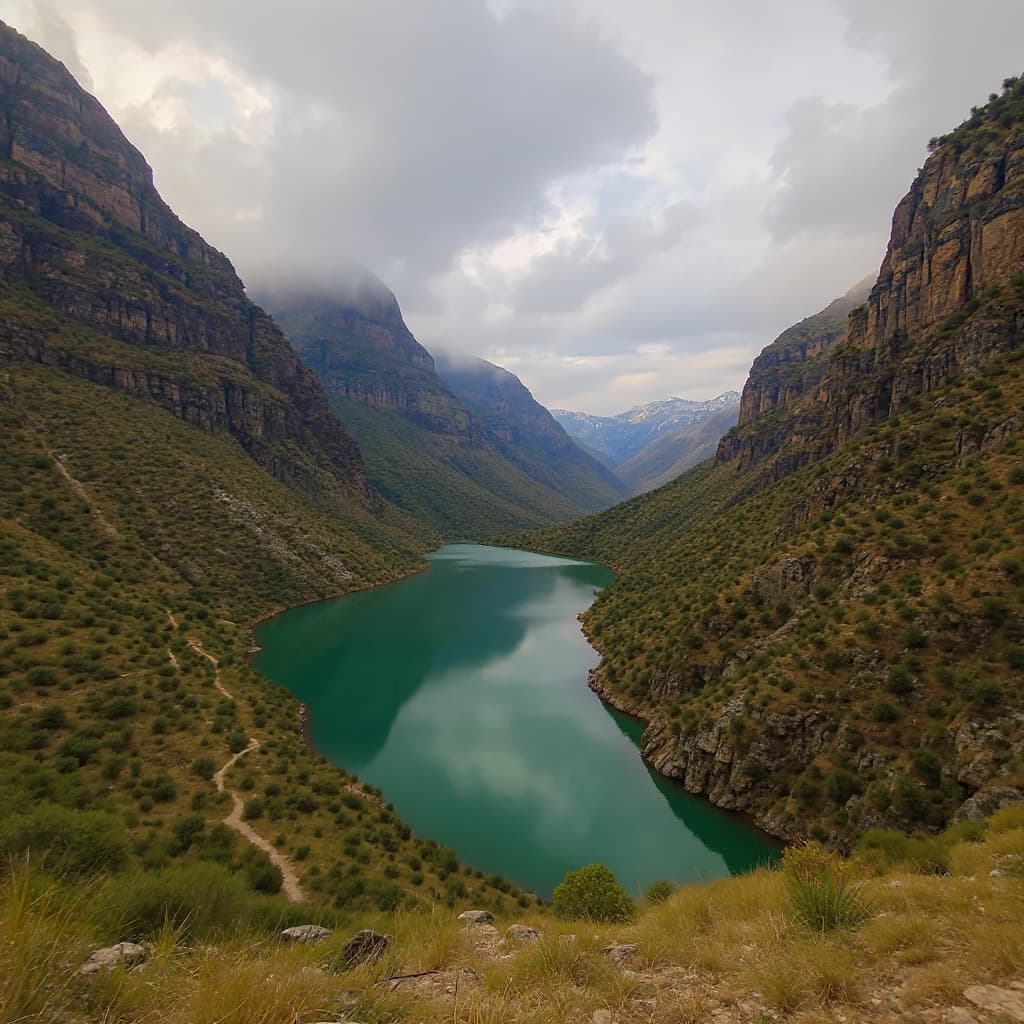
Zimapán is a spectacular reservoir built in the Moctezuma River canyon on the border of Hidalgo and Querétaro states. At 4,900 feet above sea level, it is one of Mexico's highest bass fishing reservoirs, giving it unique characteristics.
The waters are deep and cold compared to tropical reservoirs. Water temperature ranges from 59°F in winter to 75°F in summer, with depths exceeding 260 feet in some canyon zones.
The scenery is stunning: vertical canyon walls rise hundreds of feet above the blue-green water. The semi-arid hillside vegetation contrasts dramatically with the deep waters below.
Zimapán bass are adapted to cold water and respond well to deepwater techniques like drop shot, Carolina rig, and heavy jigs. Carp also reach notable sizes in these waters.
Zimapán stands apart from every other Mexican bass fishery by virtue of its altitude and canyon setting. Fishing here feels more like fishing a Western U.S. reservoir than a typical Mexican lake. The technical challenge of deepwater canyon fishing attracts experienced anglers who appreciate the puzzle-solving aspect of the sport.
The canyon of the Moctezuma River is also a site of significant geological and archaeological interest. Ancient petroglyphs adorn some of the canyon walls above the waterline, and the region's mining history dates back to the colonial era. A fishing trip to Zimapán doubles as a cultural and natural history expedition.
Fishing Tips
- 1Deepwater techniques are essential: drop shot, Carolina rig, and 3/4 oz jigs are your best options.
- 2Look for shaded canyon walls during hot hours — bass hold tight to the rock.
- 3Cold water makes slow presentations more effective than fast ones.
- 4Bring warm clothing — at this altitude, mornings can be cool even in spring.
- 5A good depth finder is essential at Zimapán — the canyon topography changes rapidly, and locating the thermocline is the key to finding fish during summer months.
- 6Bring both baitcasting and spinning setups — the deep jigging requires heavy baitcasting gear, but the clear-water finesse situations demand light spinning tackle.
- 7The village of Zimapán has excellent traditional Mexican food — ask for 'barbacoa de borrego' (pit-roasted lamb) and locally made pulque, a pre-Hispanic fermented beverage.
Seasonal Fishing Guide
February through May is Zimapán's prime season. Water temperatures climb from winter lows of 59°F into the 64-72°F range that activates bass in this high-altitude reservoir. The pre-spawn period in February-March concentrates bass on the warmer, sun-exposed canyon walls where temperatures rise fastest. By April, spawning activity moves to gravel ledges and hard-bottom areas at 8-15 foot depths. Jigs and Carolina rigs are the workhorses of this season.
October and November deliver a secondary peak as the fall cooling stabilizes water temperatures in the low 70s°F. Bass feed heavily before winter, particularly around rocky transitions and canyon point structures. Crankbaits and jerkbaits that deflect off rock faces trigger aggressive reaction strikes during this window.
June through September sees warm surface temperatures but maintains cool deepwater zones that bass utilize. The thermocline typically sets up at 25-35 feet, and bass suspend near this boundary. Vertical techniques — drop shot, jigging spoons, and heavy football jigs — are essential for reaching fish in Zimapán's deep, cold water.
December and January bring the coldest conditions at this 4,900-foot elevation. Water temperatures can drop below 59°F, significantly slowing bass metabolism. Extremely slow presentations — dragging jigs along deep ledges, dead-sticking plastics — are the only reliable producers. Patience and persistence define winter fishing at Zimapán.
Fish Species Guide
Largemouth bass at Zimapán are adapted to colder water than their lowland counterparts, displaying a slower growth rate but exceptional conditioning. Average size is 2-3 pounds, with quality fish of 4-6 pounds taken regularly by anglers who understand the deepwater patterns. Zimapán bass are highly structure-dependent, holding tight to canyon walls, rocky ledges, and the few areas where submerged vegetation exists. They respond best to slow, precise presentations — a jig or drop shot placed exactly in their strike zone.
Carp thrive in Zimapán's waters and reach notable sizes of 8-18 pounds. The clearer water conditions allow sight-fishing opportunities for carp on shallow flats during spring, creating a niche sport fishery. European-style techniques including boilies, corn, and method feeders are increasingly popular among local fishing clubs.
Tilapia populations are present but less dominant than at warmer reservoirs. The cooler water temperatures limit their reproductive rate, which means the bass at Zimapán rely on a more diverse diet including crayfish, aquatic insects, and small carp. This dietary diversity contributes to the exceptional coloring and body condition of Zimapán bass.
How to Get There
From Mexico City, take the highway toward Ixmiquilpan and continue to Zimapán (3-4 hours). Also accessible from Querétaro (3 hours). Basic lodging is available in the town of Zimapán, with some boat rental services at the shore.